Why Handwriting Still Matters in a Digital World (Backed by Research)

In a world filled with keyboards, tablets, and screens, handwriting may seem old-fashioned—but research continues to show it plays a powerful role in how children learn, think, and develop.
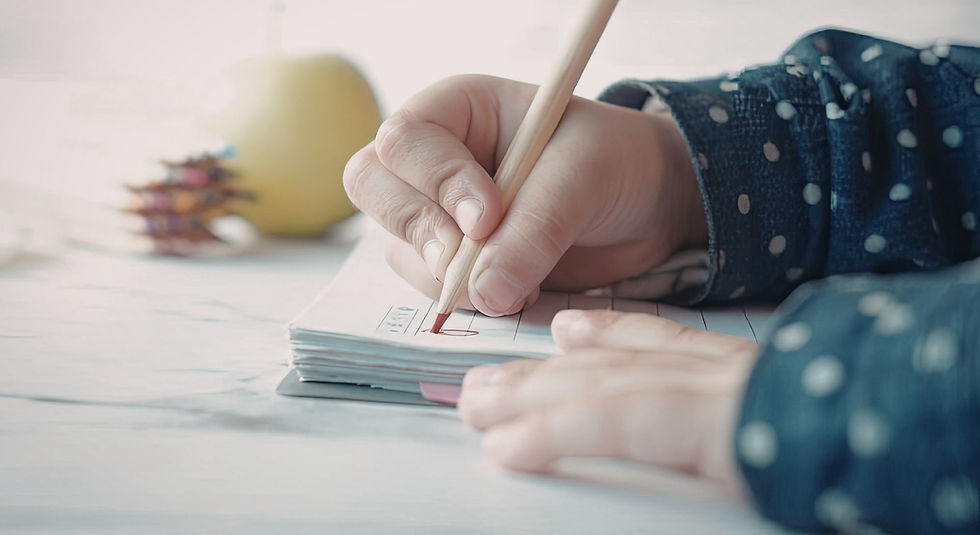
Many parents wonder:
“Does handwriting still matter anymore?”
After all, children today grow up surrounded by technology. Schools increasingly use computers, and typing often feels faster and more practical than writing by hand.
But despite our digital world, researchers, educators, and child development experts continue to emphasize something important:
Handwriting is not just about writing neatly.
It supports brain development, memory, focus, creativity, emotional regulation, and fine motor skills in ways typing simply cannot fully replace.
At Seaside Study, we believe handwriting is more than an academic skill—it is a meaningful tool for learning, creativity, and calm childhood rhythms.
Handwriting Supports Brain Development

When children write by hand, the brain becomes highly active.
Unlike typing, handwriting requires children to:
form letters intentionally
coordinate hand movements
process language
focus attention
recall information
This combination activates multiple parts of the brain at the same time.
Research has shown that writing by hand strengthens neural pathways connected to learning and memory. In other words, handwriting helps children process information more deeply.
“Handwriting engages the brain more completely than typing because it involves fine motor skills, memory, and sensory experiences working together.”
When children slowly form letters on paper, they are building much more than handwriting skills—they are strengthening cognitive development itself.
Handwriting Improves Memory Retention

One of the most fascinating discoveries in education research is the connection between handwriting and memory.
Studies suggest that students often remember information better when they write notes by hand instead of typing them.
Why?
Because handwriting slows the brain down just enough to encourage deeper processing.
Instead of copying information quickly and passively, children must think carefully about what they are writing.
This process strengthens comprehension and retention.
“Writing by hand helps the brain encode information more effectively, leading to stronger recall and understanding.”
This is especially important for young children who are still developing foundational learning skills.
Handwriting Builds Fine Motor Skills

Handwriting is also an essential fine motor activity.
Each pencil stroke strengthens the small muscles in the hands and fingers while improving coordination and control.
Children who regularly practice handwriting often improve:
hand strength
pencil control
coordination
endurance
dexterity
These skills support many other daily activities beyond writing itself.
“An efficient pencil grasp allows for better control, reduced fatigue, and improved handwriting legibility in early writers.”
Fine motor development takes time, repetition, and patience—and handwriting provides natural practice in a meaningful context.
Handwriting Strengthens Creativity
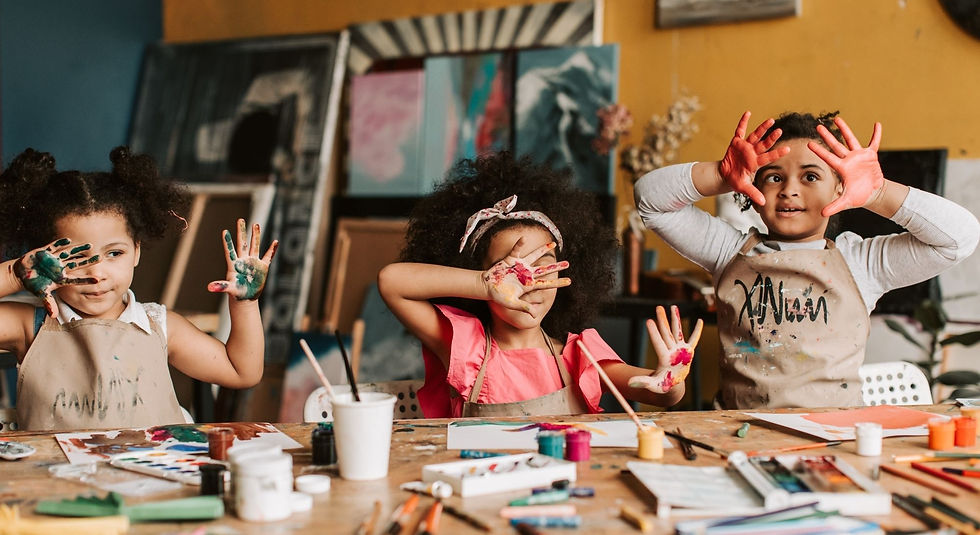
There is also a powerful connection between handwriting and creativity.
Writing by hand tends to feel slower, more personal, and more reflective than typing. This slower pace often encourages imagination and original thinking.
Children who combine drawing, journaling, storytelling, and handwriting are not only practicing academic skills—they are learning how to express themselves creatively.
Handwriting allows children to:
sketch ideas
write stories
explore emotions
create freely without digital distractions
Many children feel less pressure when working on paper compared to screens, which helps creativity flow more naturally.
At Seaside Study, we love combining handwriting with drawing and creative prompts because these activities support both learning and imagination at the same time.
Handwriting Can Support Emotional Regulation

One of the most overlooked benefits of handwriting is its calming effect.
Writing by hand naturally slows children down. The repetitive motion of forming letters can feel grounding and rhythmic, especially when practiced in a calm environment.
For many children, handwriting becomes:
a quiet routine
a break from screens
a moment of focus
a calming creative activity
This is one reason why journaling, drawing, and handwriting activities are often used to support emotional expression and mindfulness.
In a fast-paced digital world, these slower activities help children reconnect with their thoughts and emotions.
But What About Technology?
Technology absolutely has value.
Children need digital literacy skills, and typing is an important part of modern education.
But handwriting and technology do not need to compete with each other.
The goal is balance.
Handwriting offers developmental benefits that screens alone cannot fully replace, especially during early childhood.
Children benefit most when they experience:
hands-on learning
creative play
physical writing
digital skills together in a balanced way
The problem is not technology itself.
The problem is when screens completely replace slower, more thoughtful forms of learning.
Practical Ways to Encourage Handwriting at Home
Handwriting practice does not need to feel stressful or overly academic.
In fact, children learn best when handwriting feels calm, creative, and purposeful.
Simple ways to encourage handwriting:
daily journaling
draw-and-write activities
writing letters to family members
copying favorite quotes or poems
nature journals
handwriting games
short daily practice sessions
Even just 10 minutes a day can make a meaningful difference over time.
The key is consistency—not perfection.
A Simple Daily Handwriting Habit

One of the easiest ways to make handwriting part of your family rhythm is through a daily habit tracker.
Children love visual progress, and simple routines help build confidence naturally.
That’s why we created the:

This printable helps children:
stay consistent
track progress
build confidence
create calm daily learning routines
Small habits practiced consistently often create the biggest long-term results.
In a digital world, handwriting still matters deeply. Not because children must have perfect penmanship—but because handwriting supports something much bigger:
brain development
creativity
memory
focus
emotional connection
calm learning rhythms
Handwriting reminds children to slow down, think carefully, and create intentionally. And perhaps those are skills our children need now more than ever.
Encourage Calm, Creative Learning
Looking for peaceful handwriting resources your children will actually enjoy?
Explore Seaside Study’s handwriting workbooks, creative printables, and learning tools designed to help children build confidence, focus, and creativity—one meaningful page at a time.
Continue Reading on Seaside Study
You may also enjoy:


Comments